Sign in to manage orders, track deliveries & stay updated on your illustration progress.
Choosing an illustration style is the single biggest visual decision in your picture book — it sets the mood before a parent reads the first sentence. This guide compares all 7 children's book illustration styles we produce at Kidillus, with real samples, the age group each works best for, and how style affects your budget.
Not sure which fits your manuscript? Jump to the style decision guide or browse the full portfolio below.
Every style side by side — what it's called elsewhere, which age group it serves, the stories it suits, and the relative cost. Click any style name for full samples.
| Illustration Style | Best Age | Best For | Mood | Medium | Cost |
|---|---|---|---|---|---|
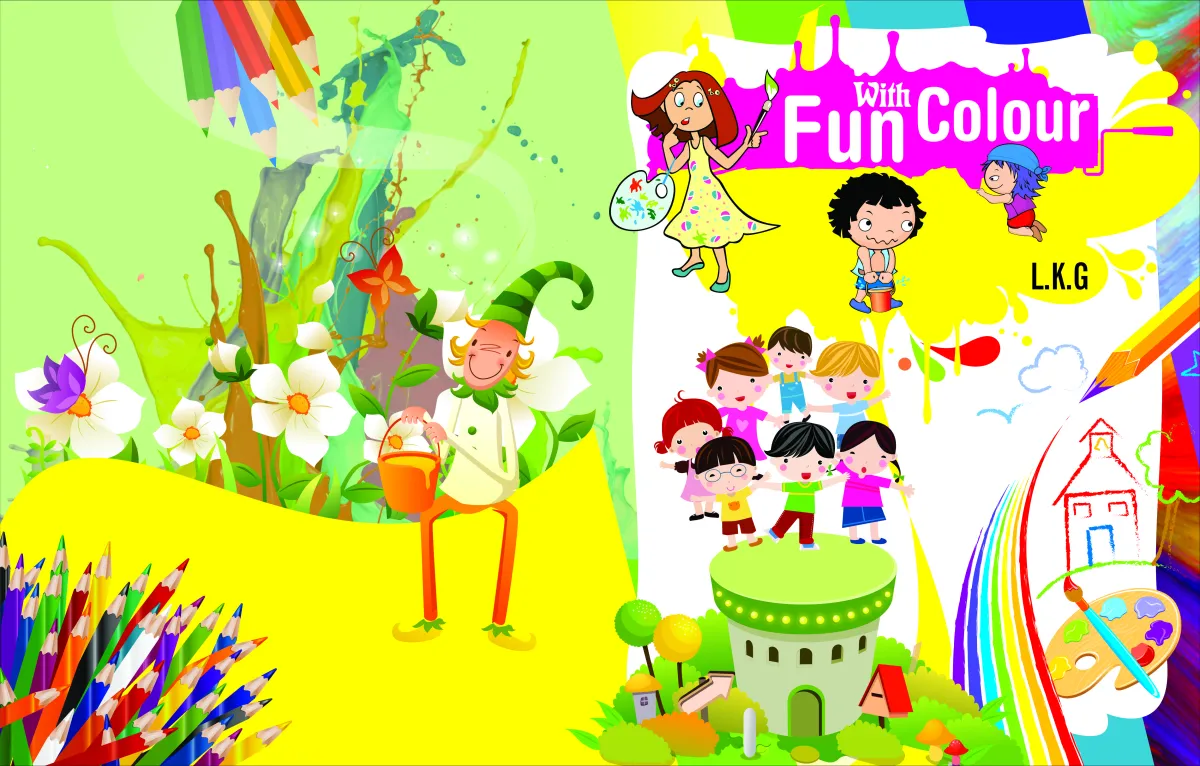
| 🎨 2D Flat / Cartoon also called: cartoon style, flat digital, vector illustration, minimalist | 0–6 years | Board books, alphabet books, phonics readers, early learning | Playful, bright, clear | Vector (Adobe Illustrator) | $ |
| ⚡ Solid / Bold Cartoon also called: comic style, bold outline, graphic novel style, high-contrast cartoon | 4–10 years | Adventure stories, superhero books, sports, moral-lesson titles | Energetic, punchy, confident | Digital raster + vector | $$ |
| 🌸 Soft Pastel / Whimsical also called: whimsical, dreamy, pastel palette, gentle illustration, muted colours | 0–5 years | Bedtime stories, lullabies, emotional literacy, family themes | Calm, tender, dreamlike | Digital airbrush / soft brush | $$ |
| ✨ 3D Rendered also called: Pixar style, Disney style, animated movie look, CGI illustration | 3–10 years | Fantasy, magical adventure, book series, standout covers | Cinematic, premium, modern | 3D render + digital paint | $$$ |
| 💧 Watercolour also called: hand-painted, traditional, classic storybook, aquarelle | 2–8 years | Fairy tales, nature stories, animal books, sentimental picture books | Timeless, warm, nostalgic | Digital watercolour brushes | $$ |
| 🖌️ Realistic / Semi-Realistic also called: lifelike, detailed illustration, educational art, non-fiction illustration | 6–12 years | Biographies, science books, historical fiction, STEM titles | Accurate, credible, detailed | Digital painting | $$$ |
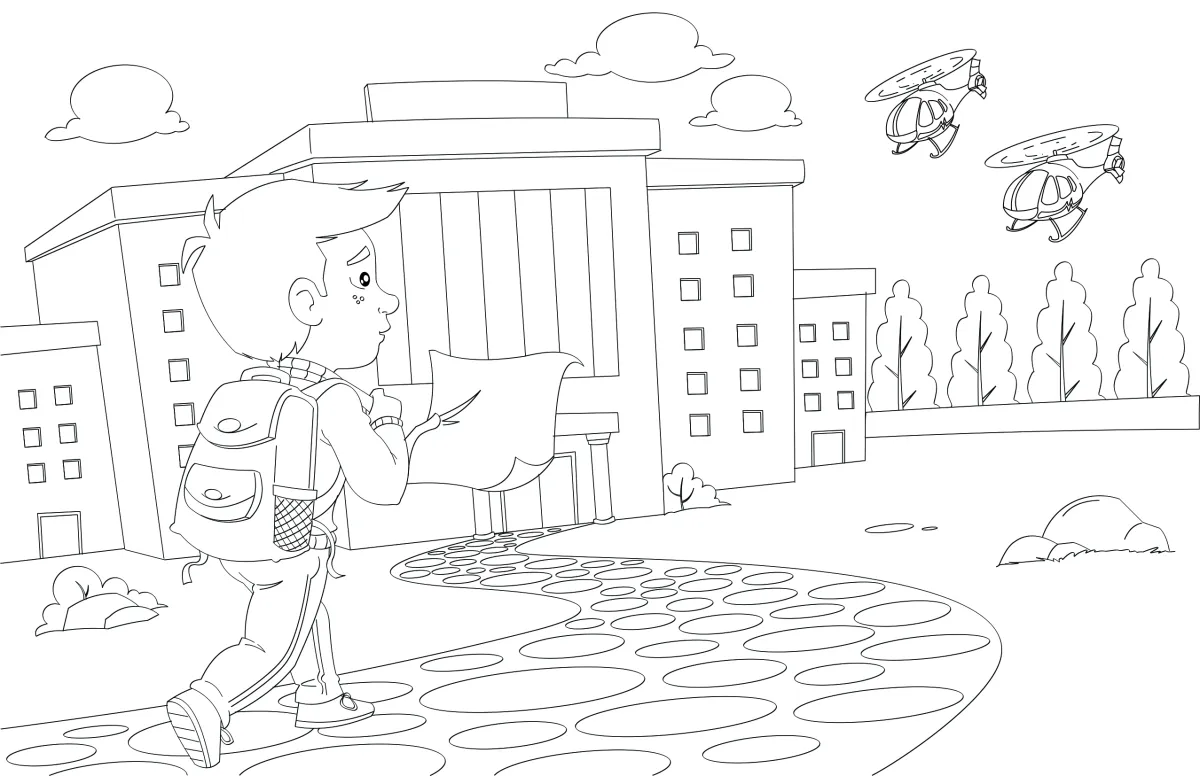
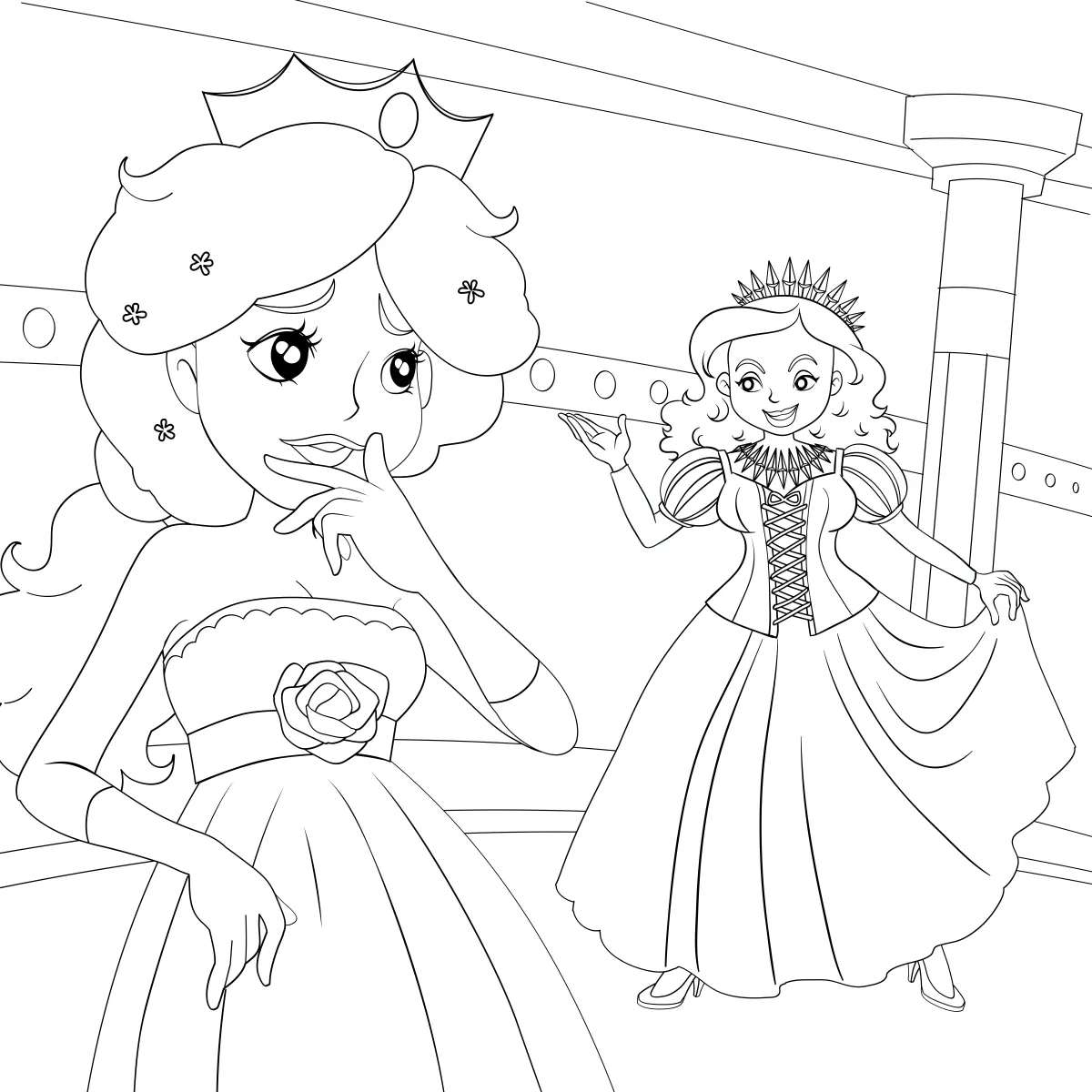
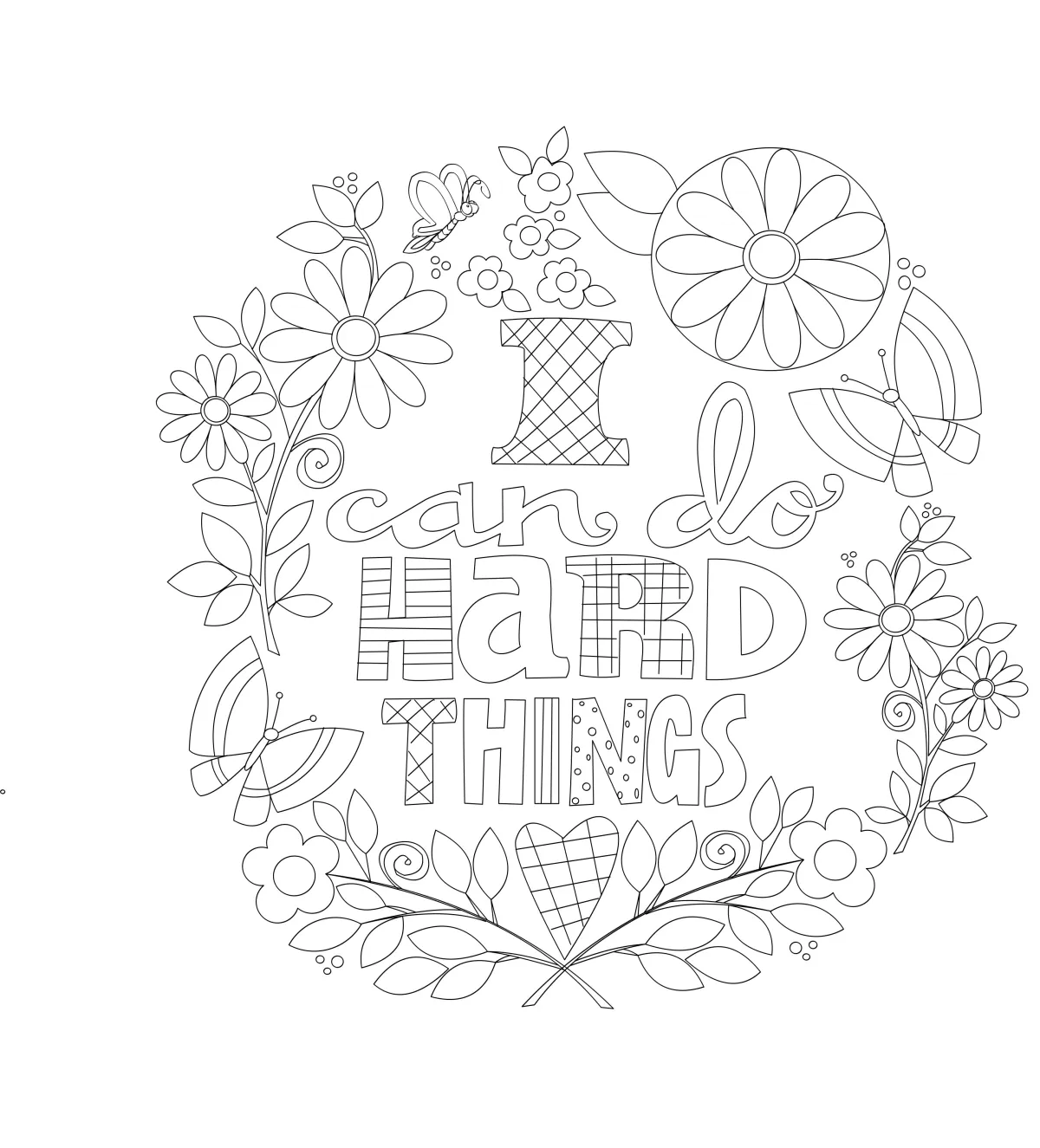
| 📝 Coloring Book Line Art also called: black and white line art, outline drawing, activity book art, KDP coloring pages | 2–12 years + adult | Coloring books, activity books, companion titles, mandala books | Clean, interactive, engaging | Closed-path vector line art | $ |
Cost key: $ most affordable · $$ mid-range · $$$ premium. See exact pricing for your page count →
7 styles · 153+ illustrations from published books
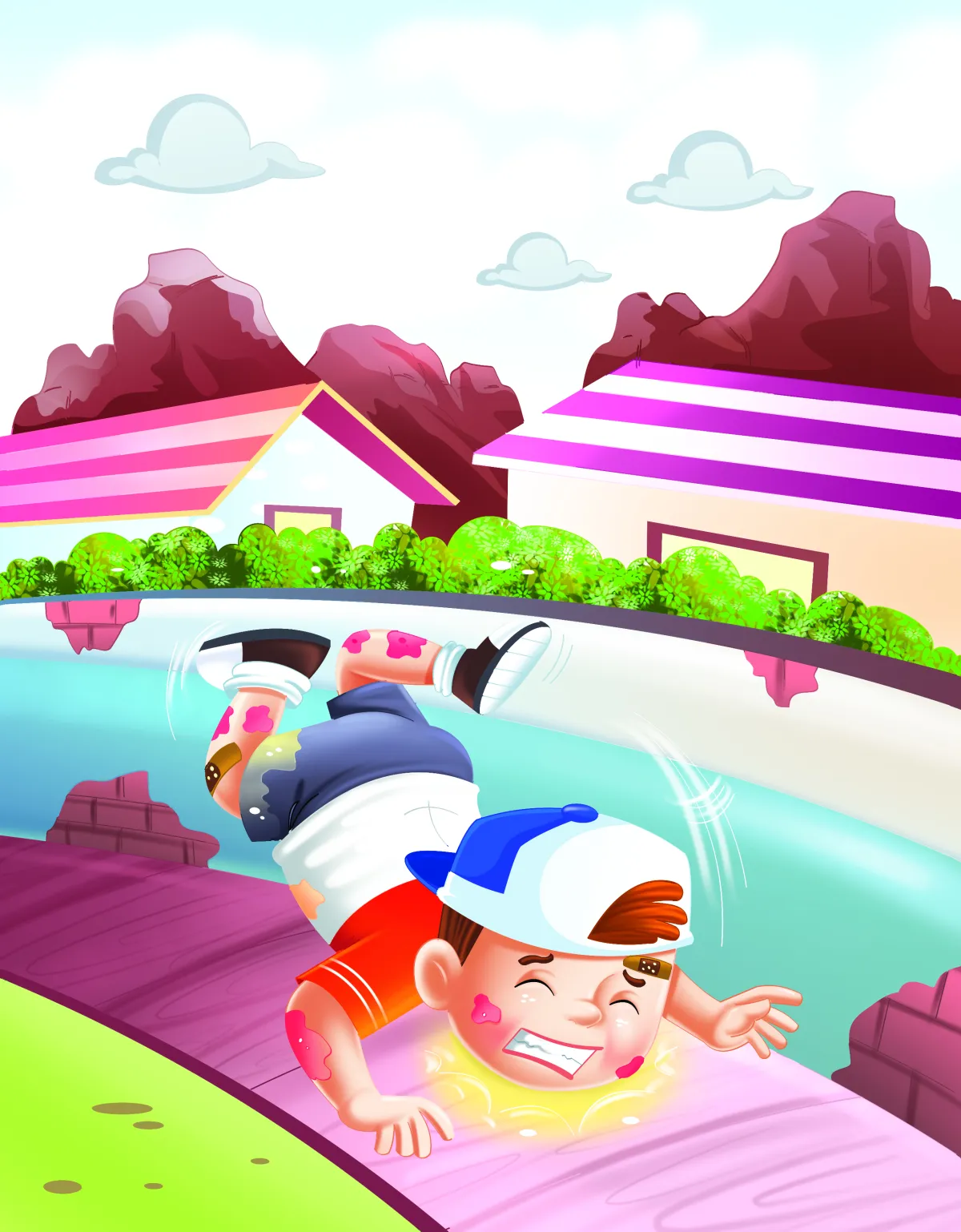
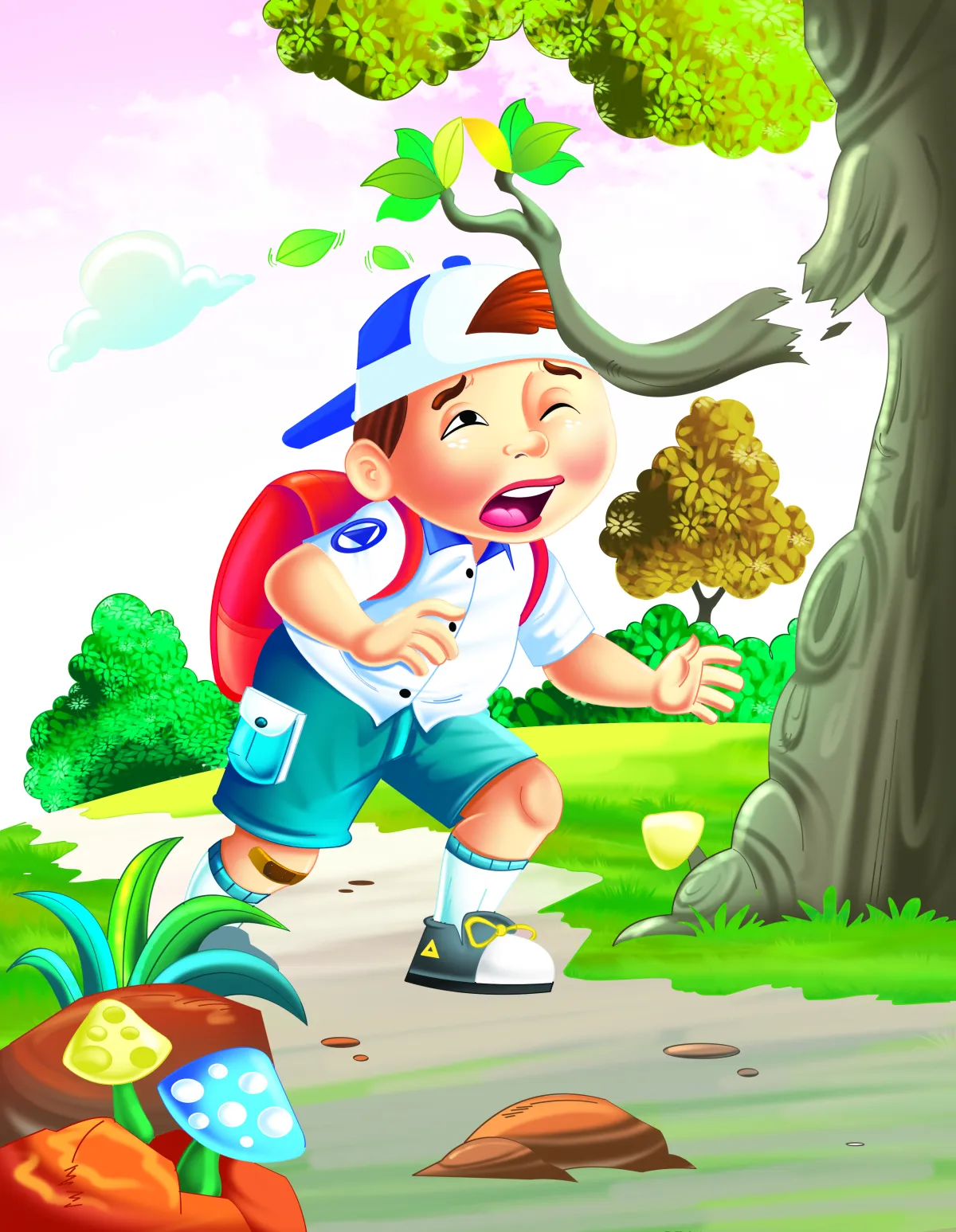
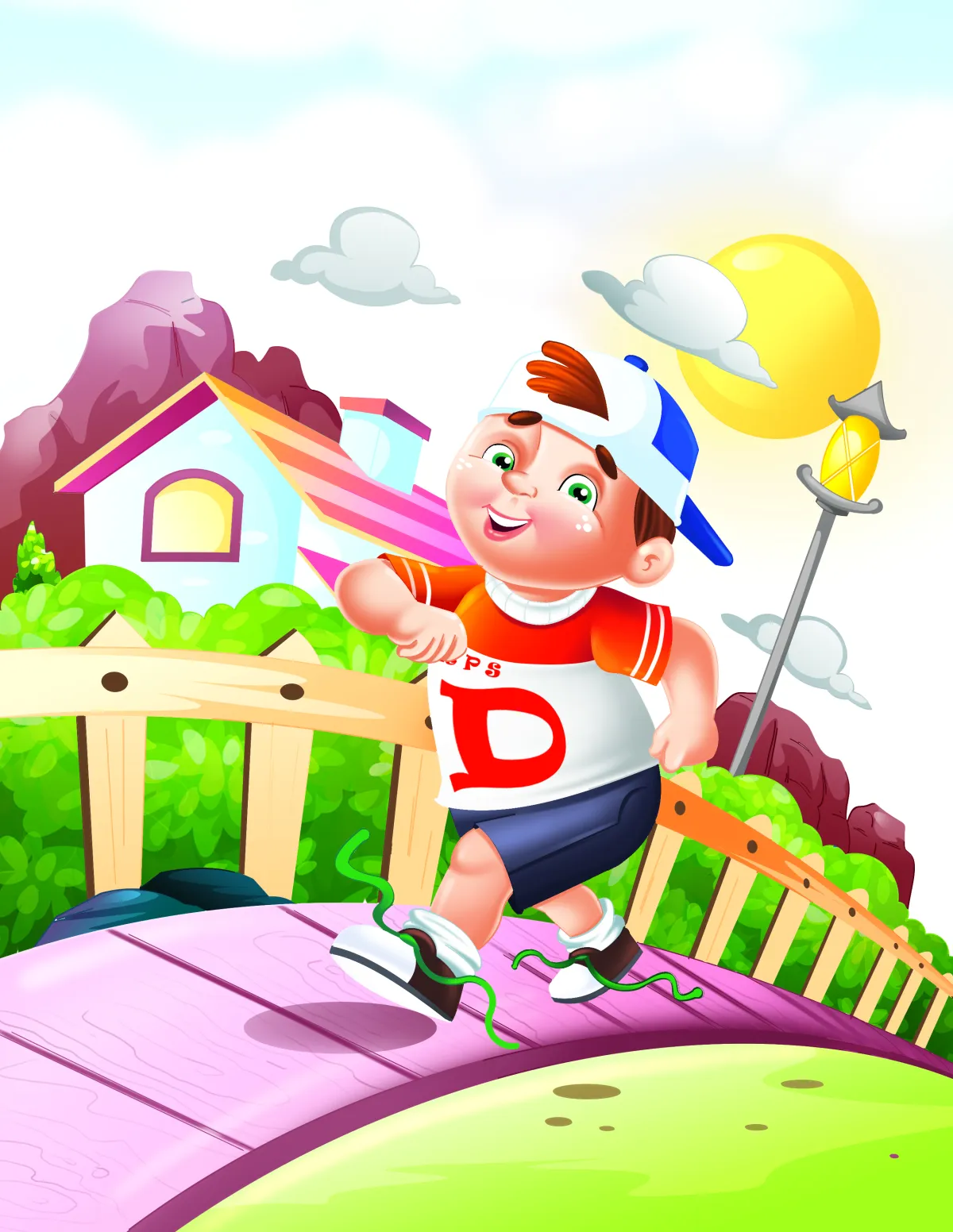

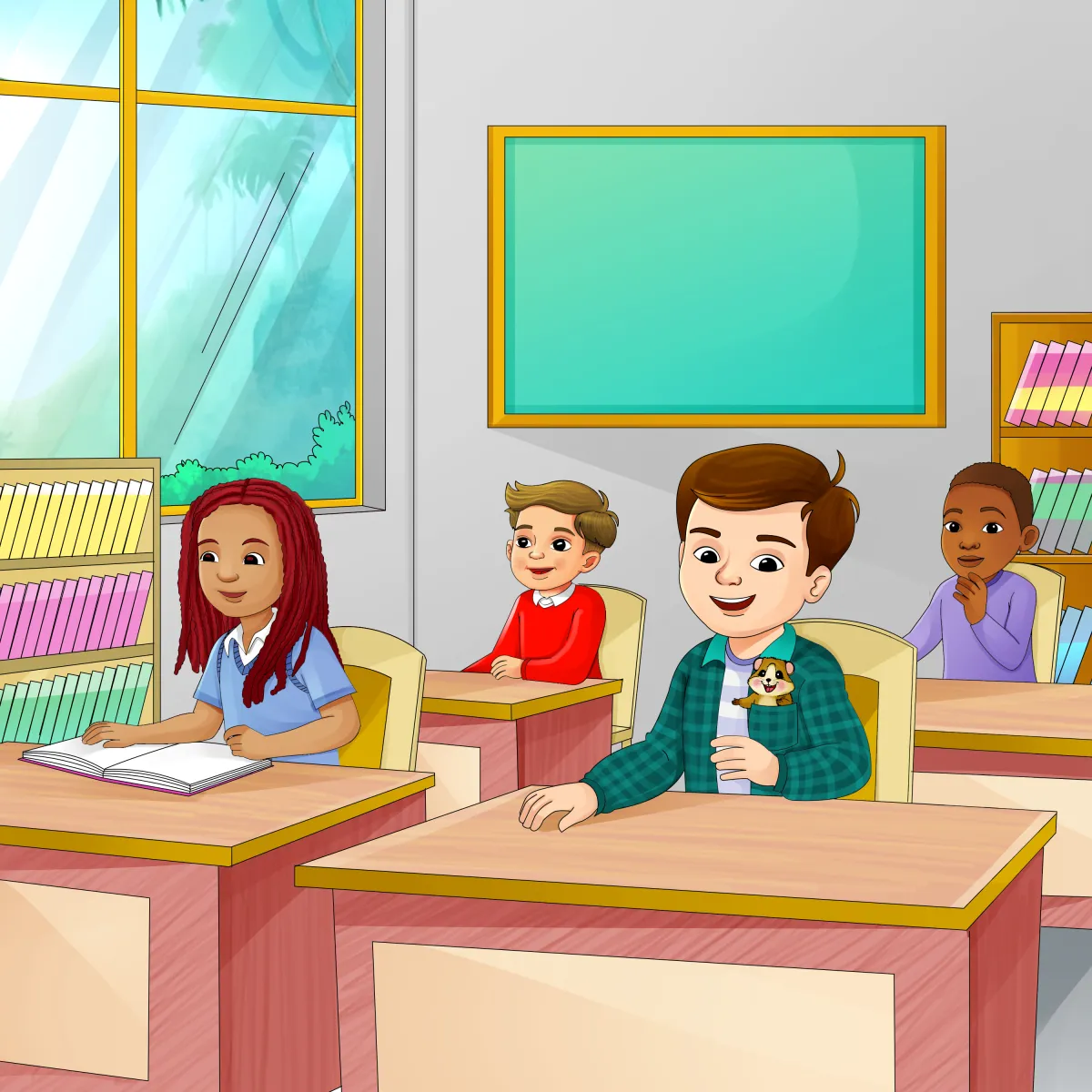
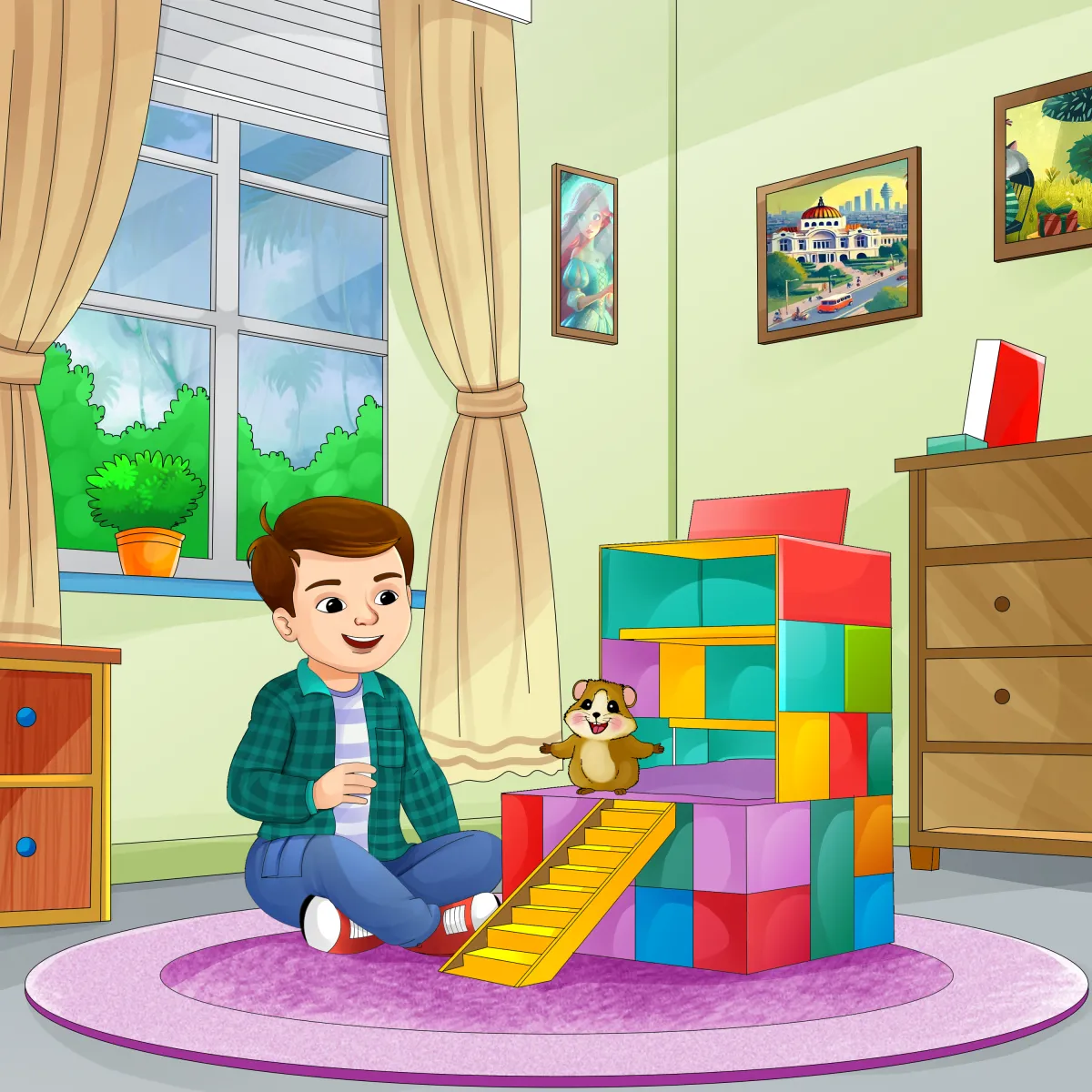
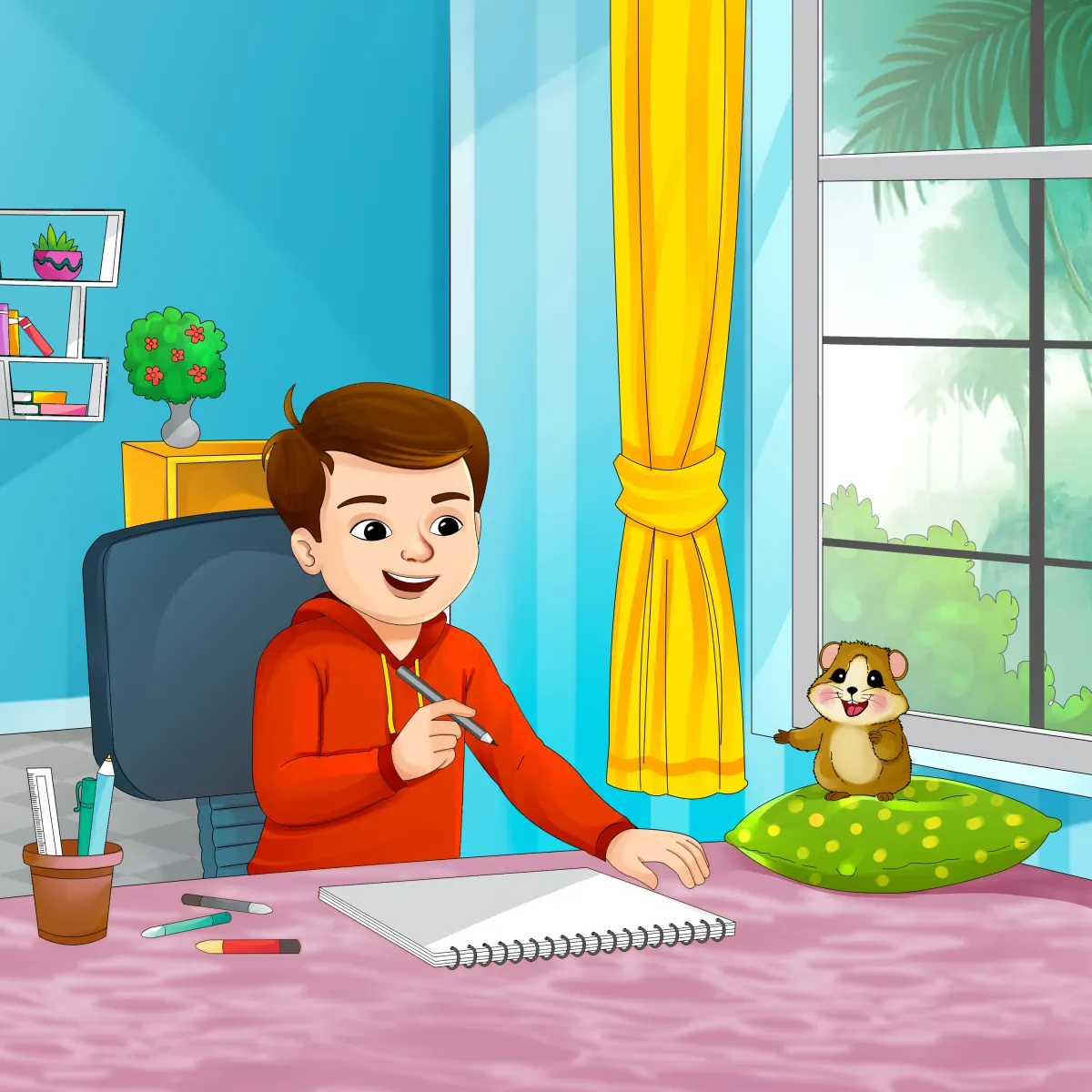
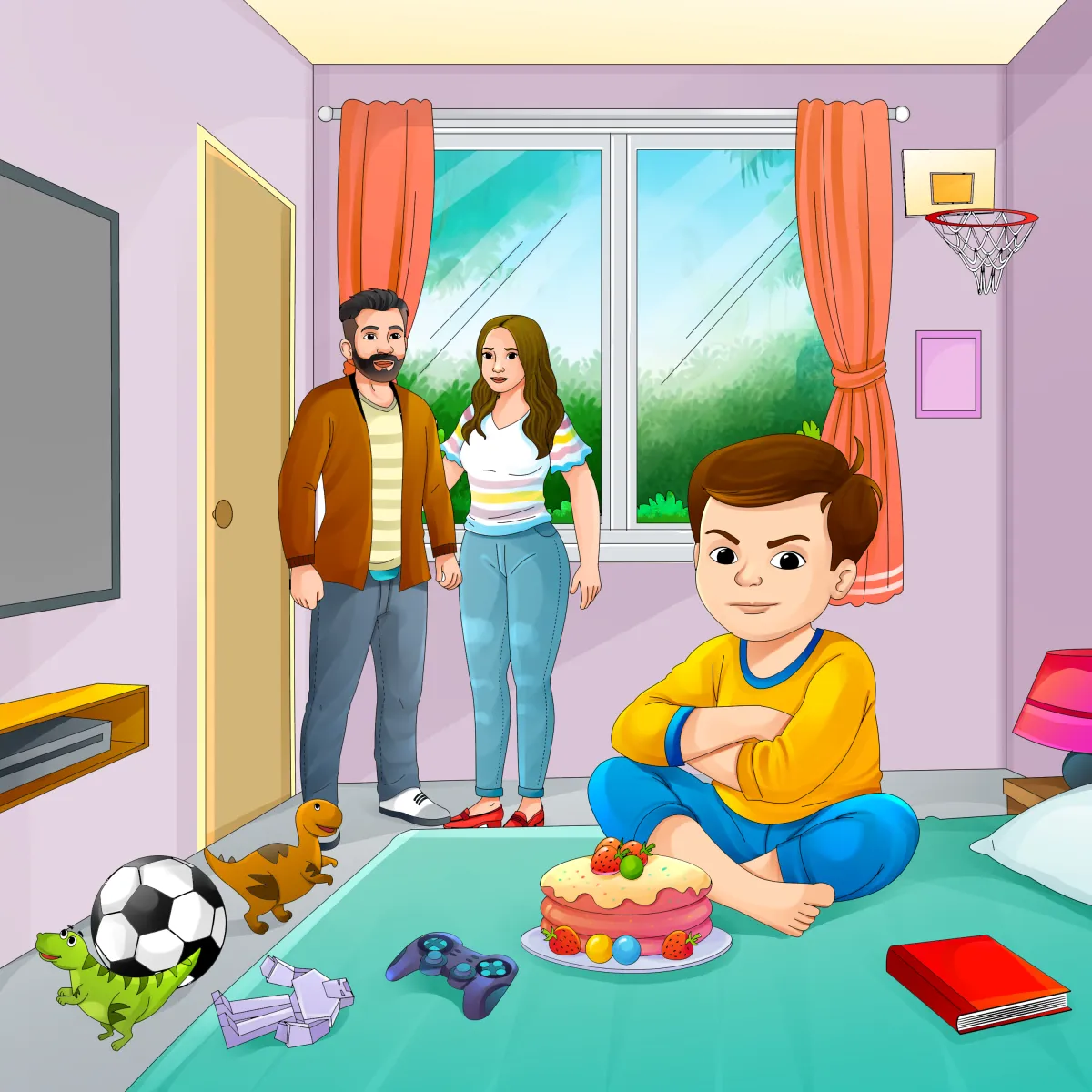
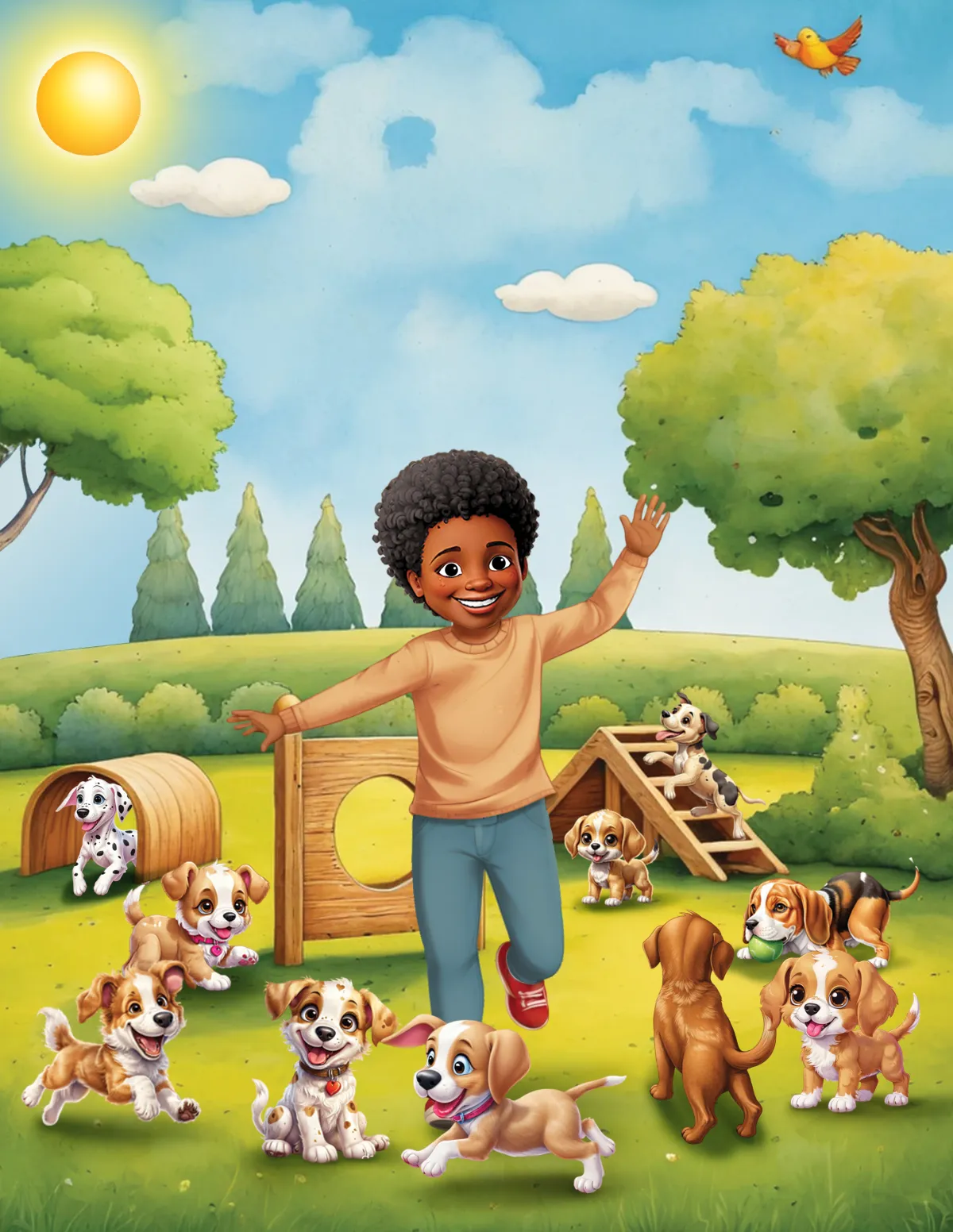
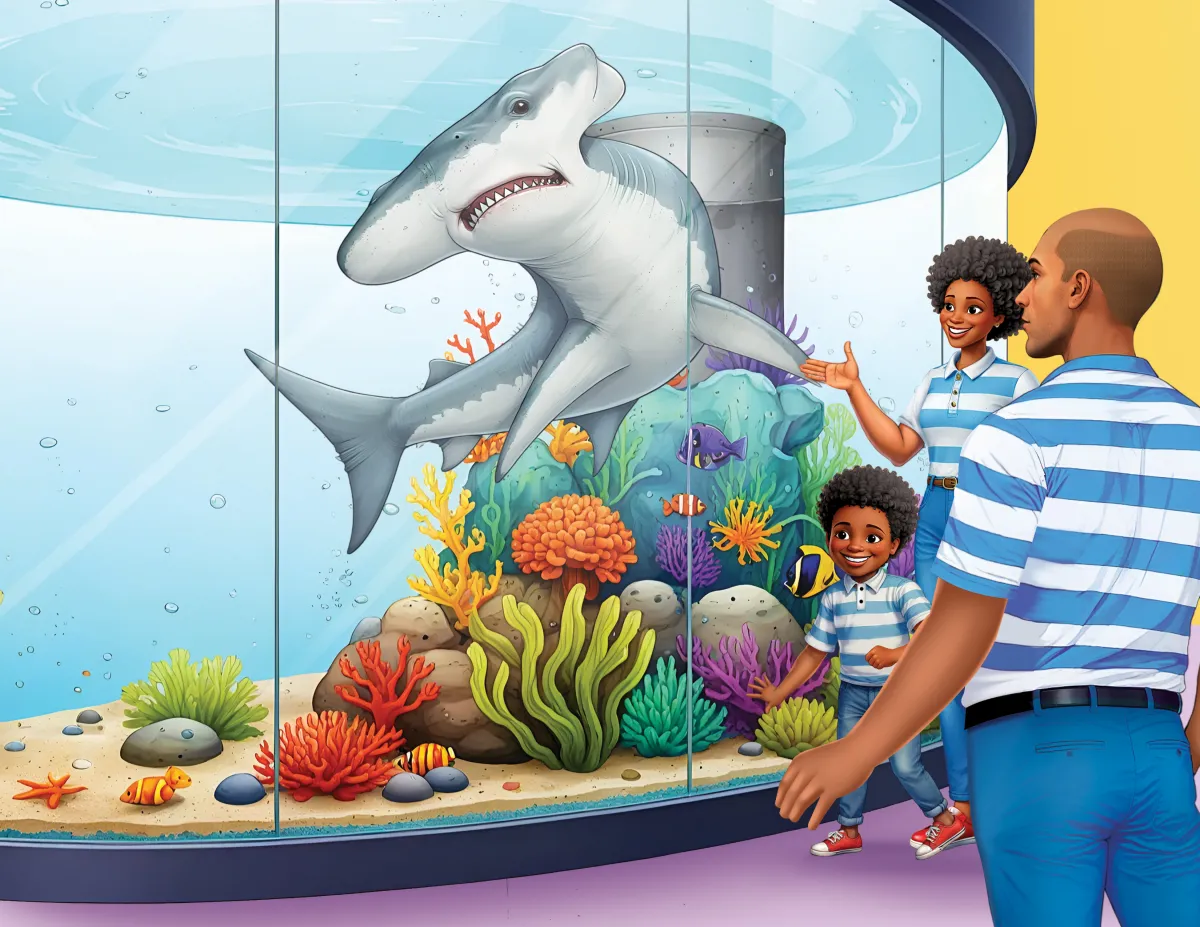
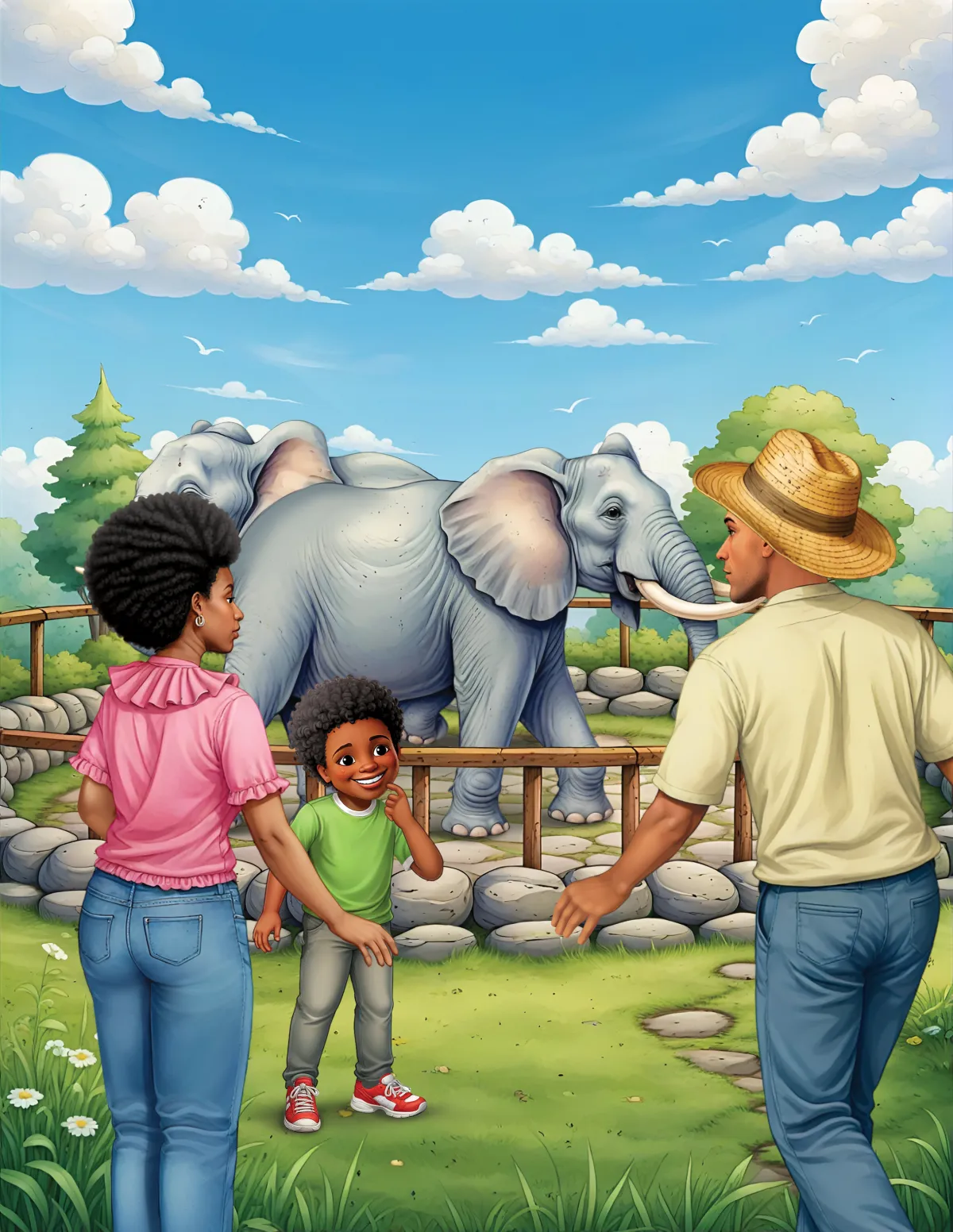
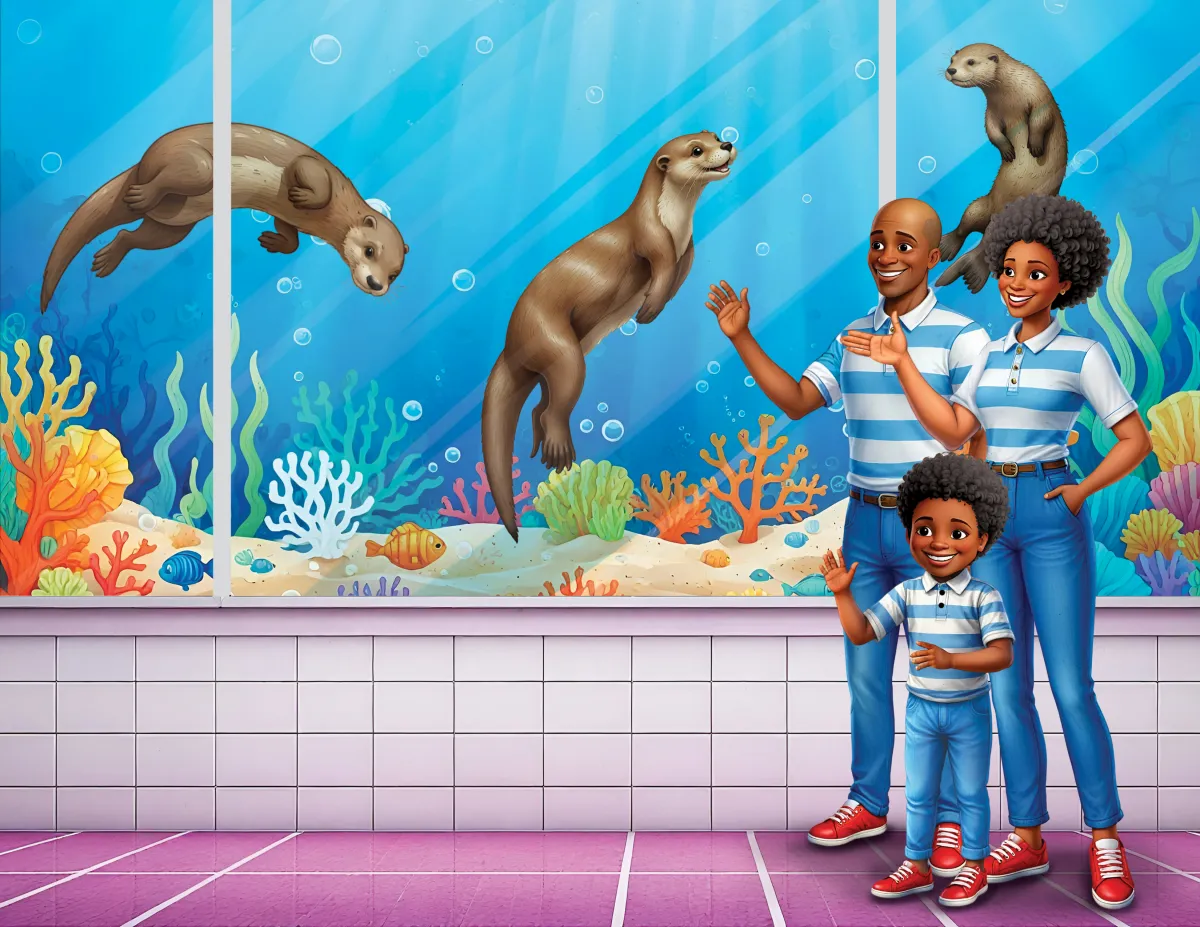
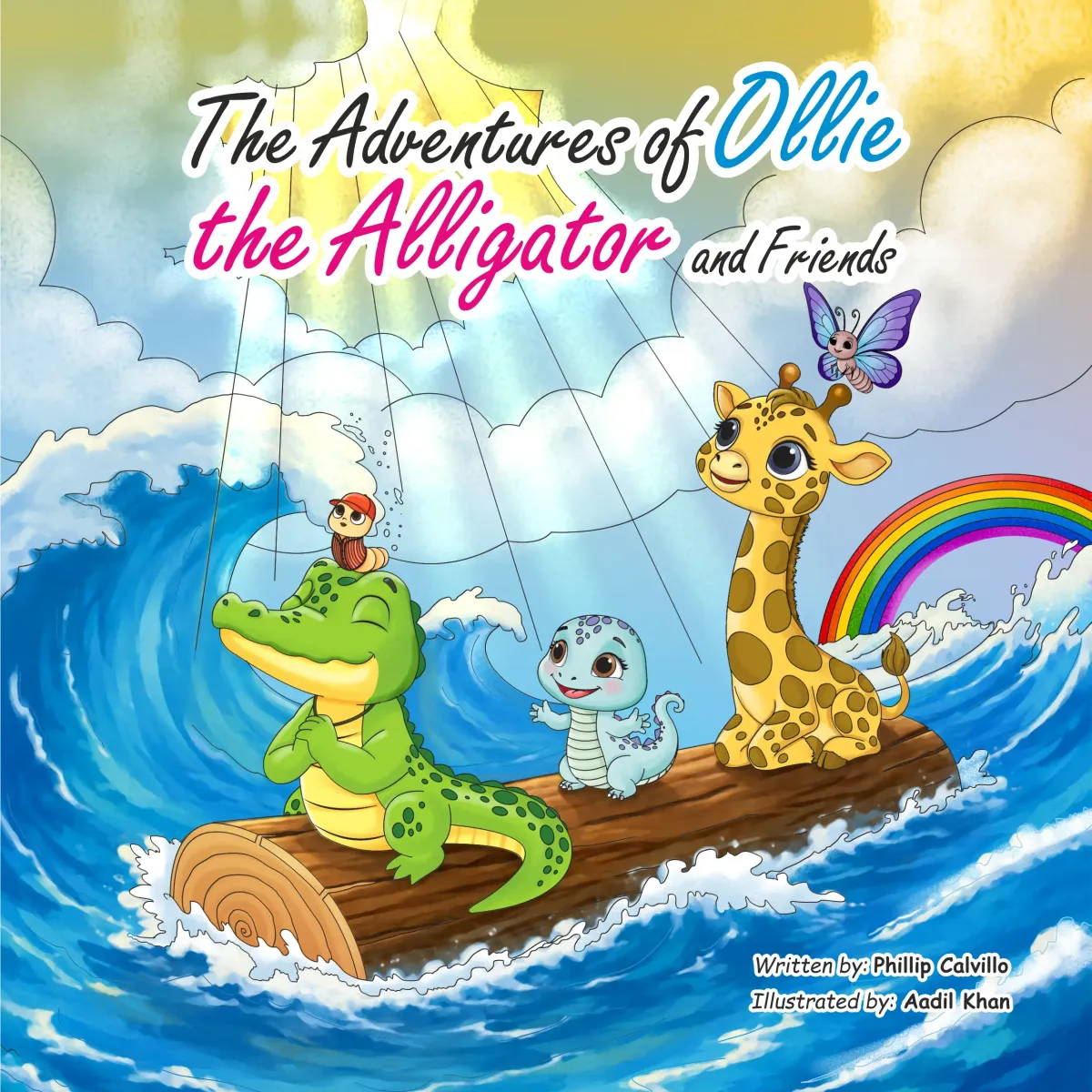
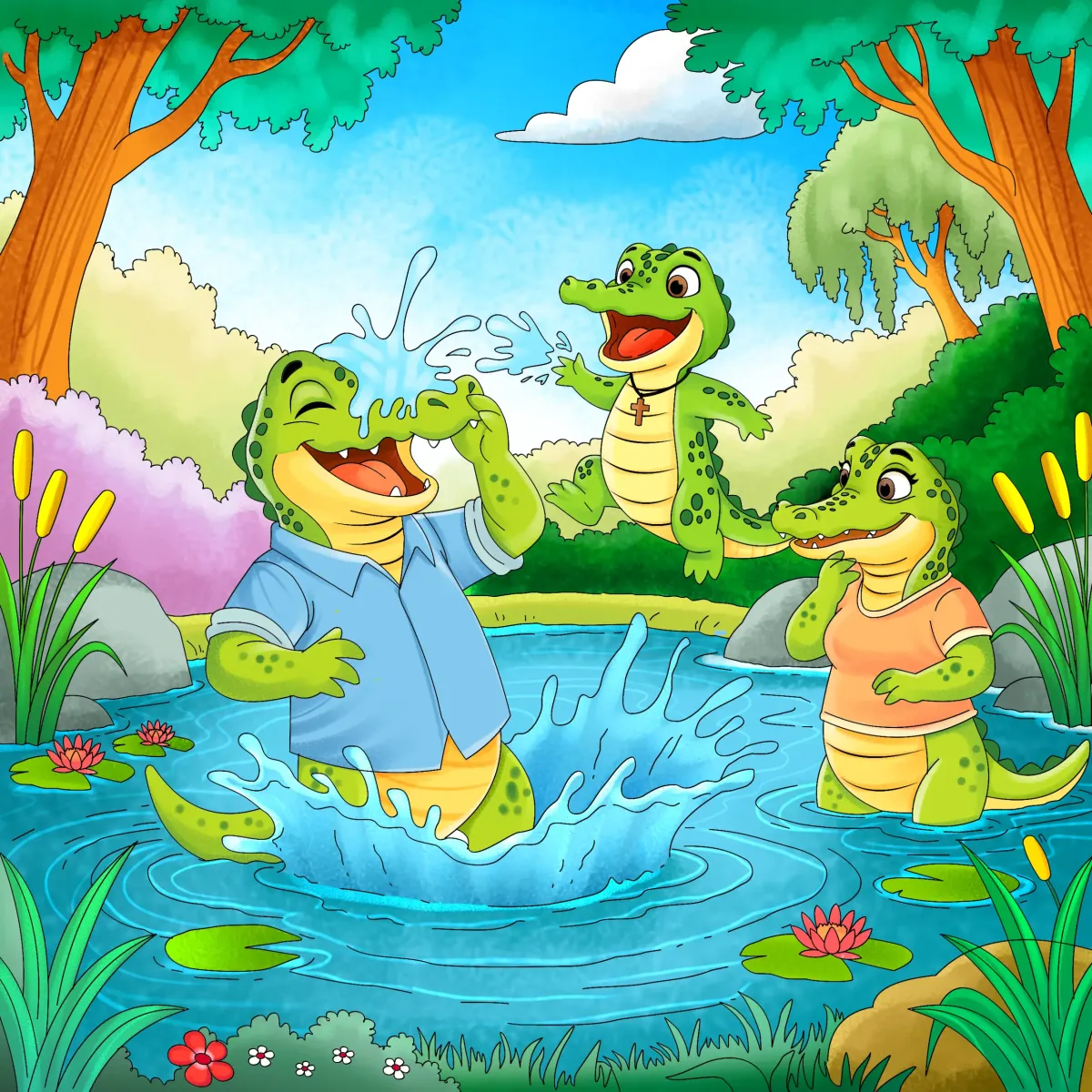
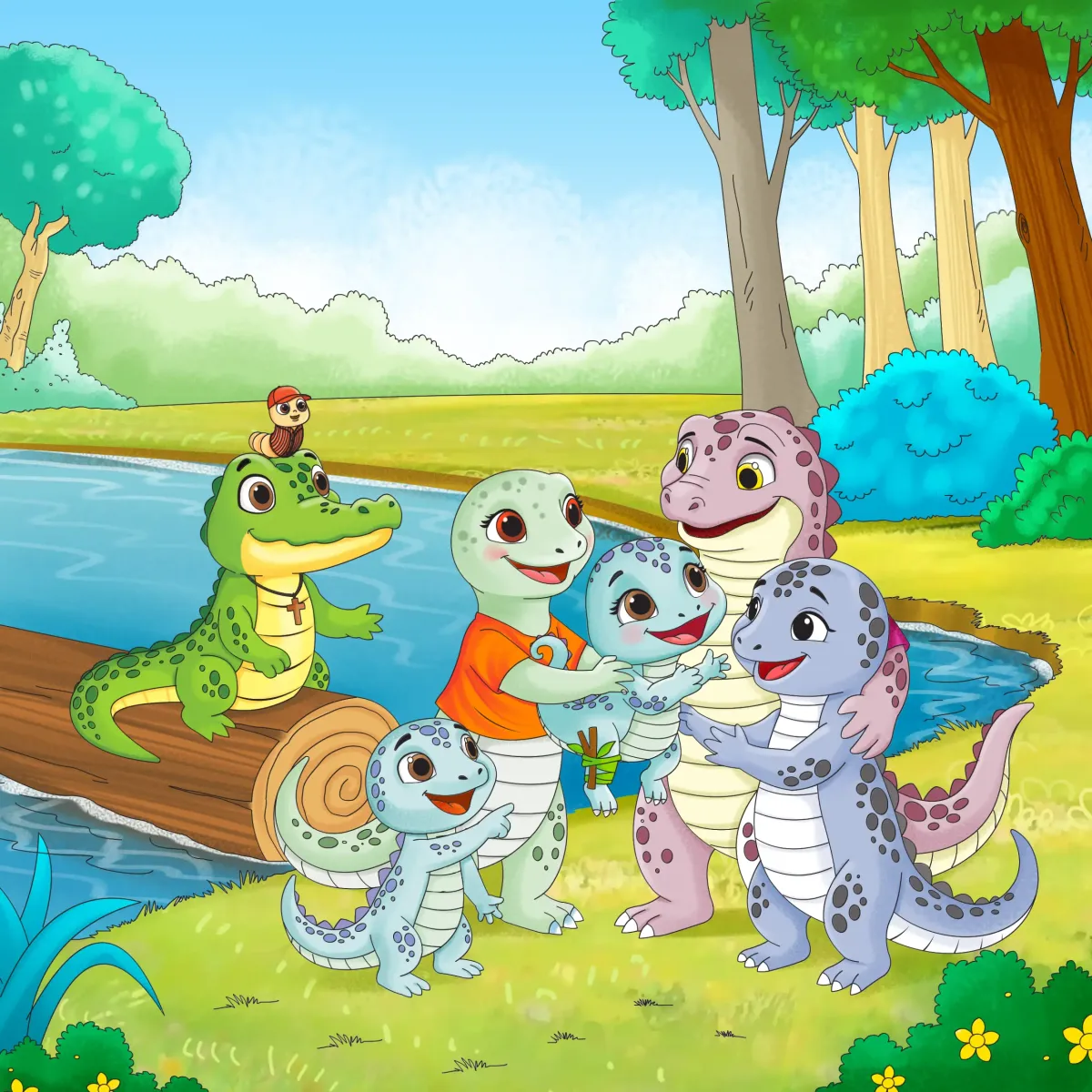
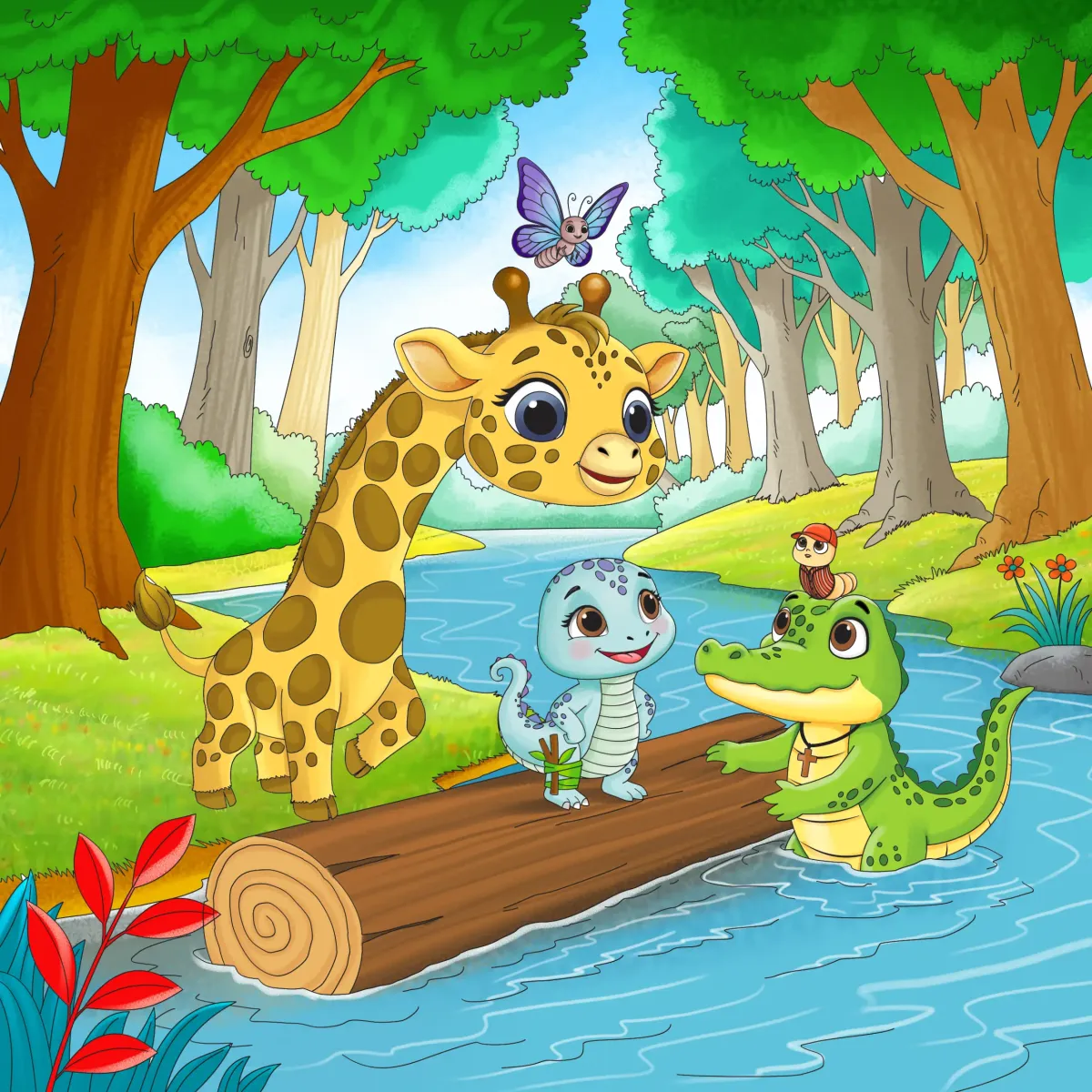
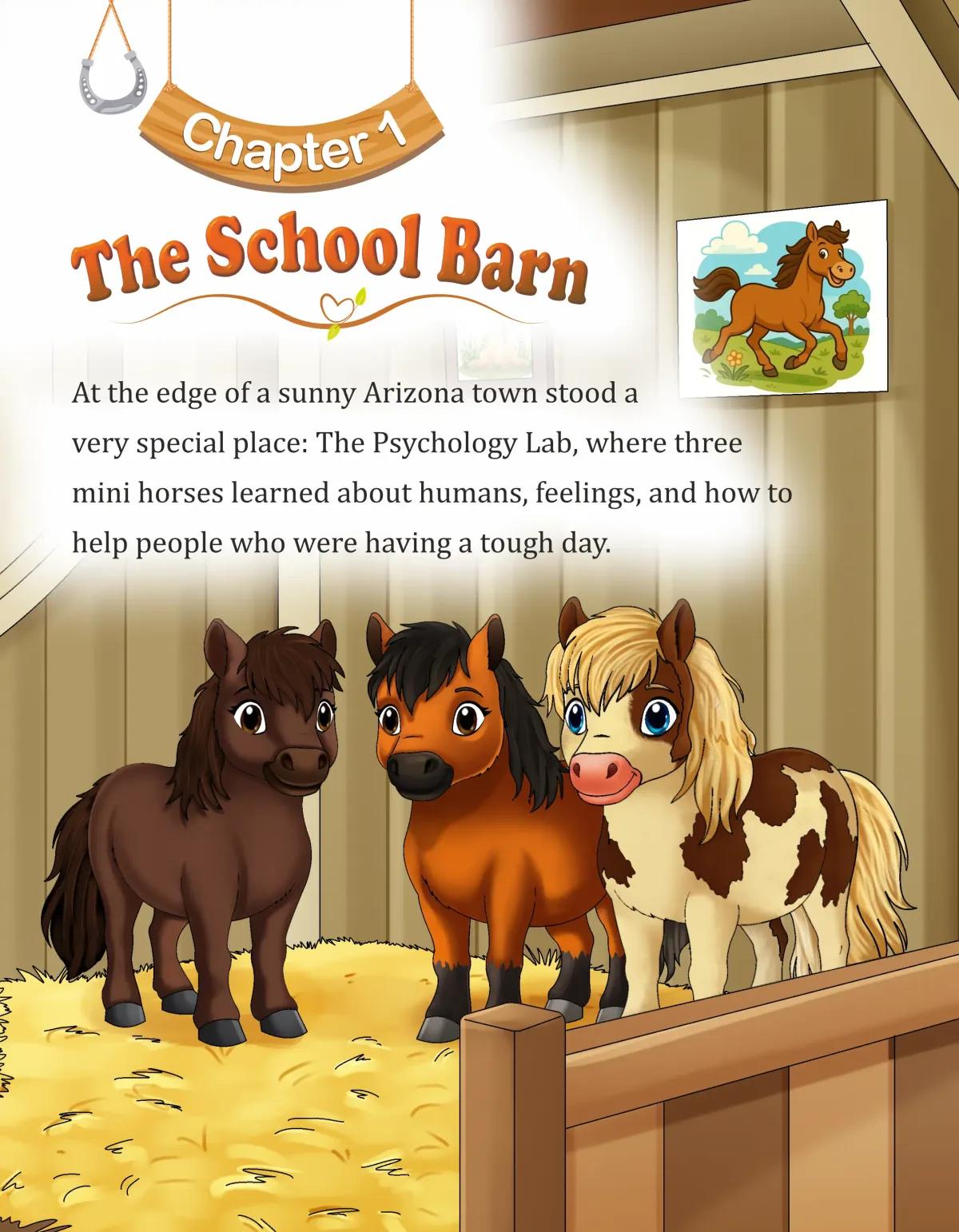
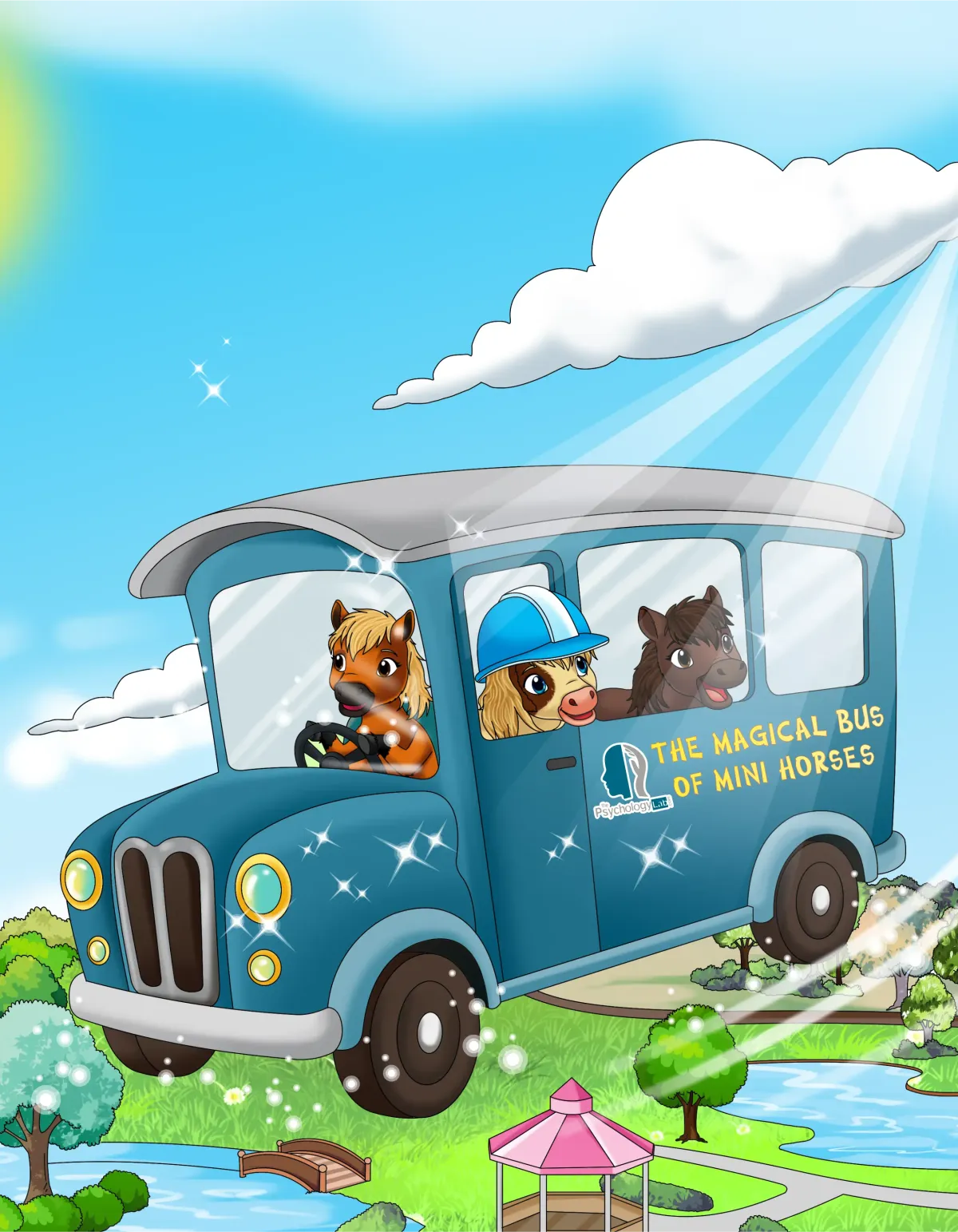
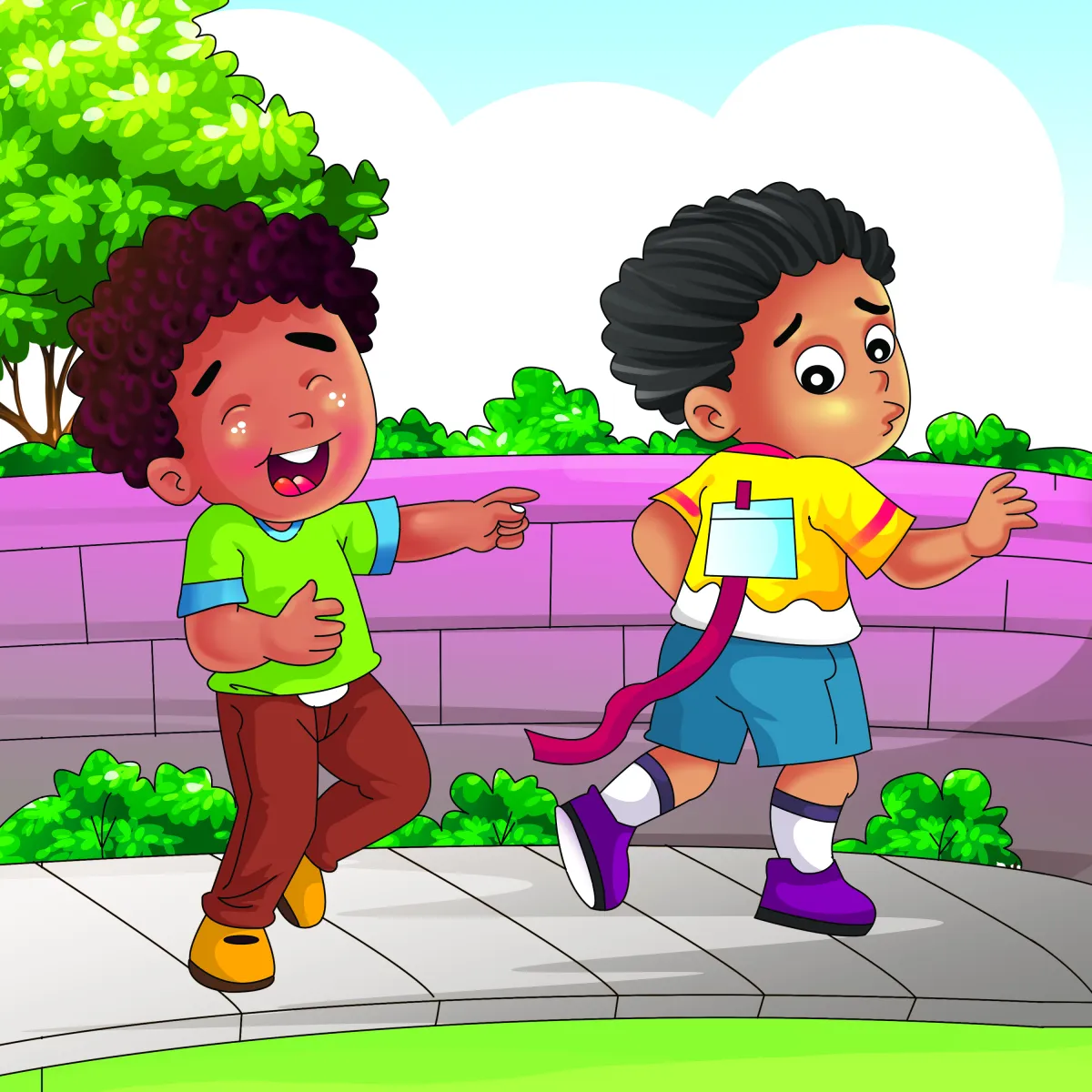
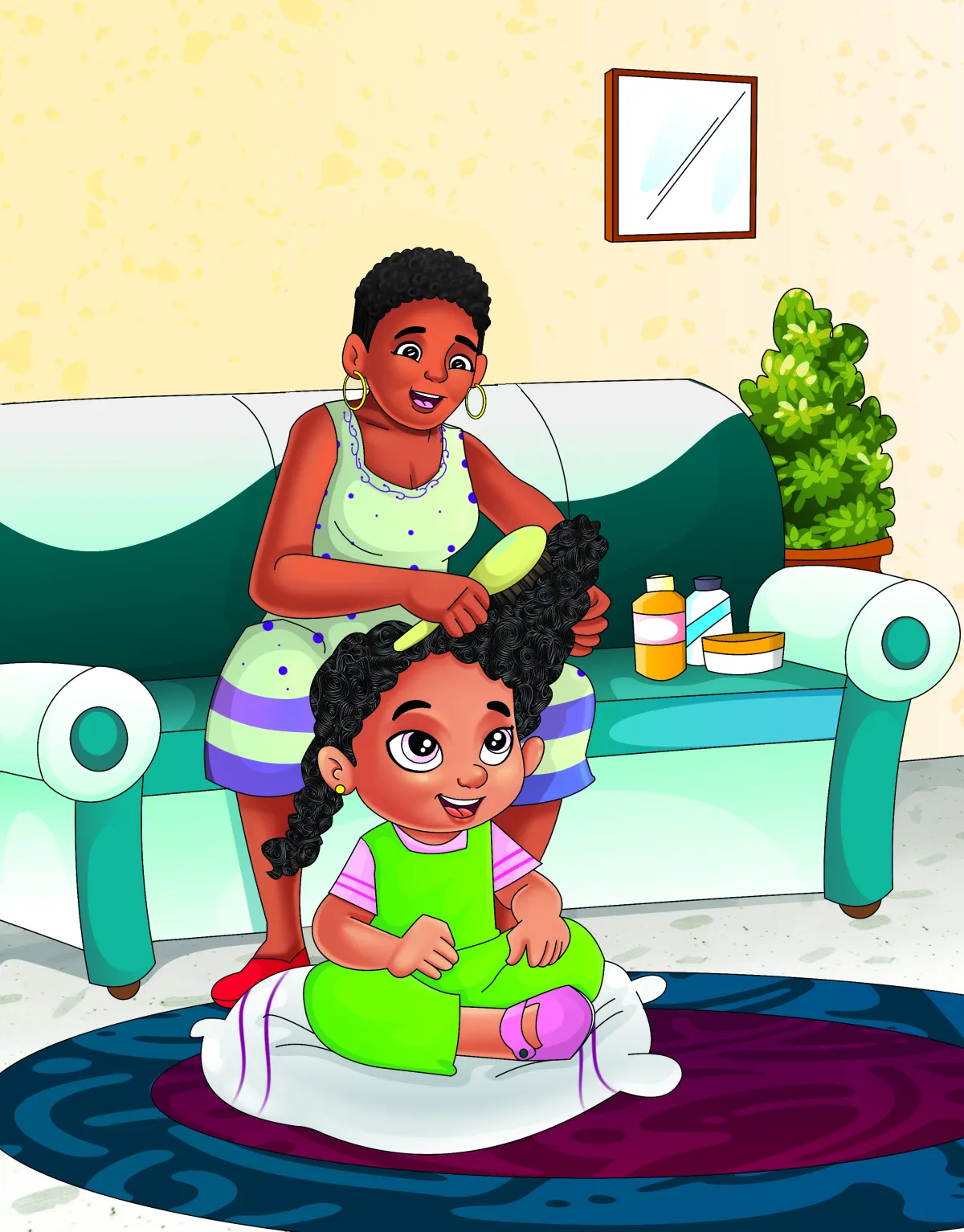
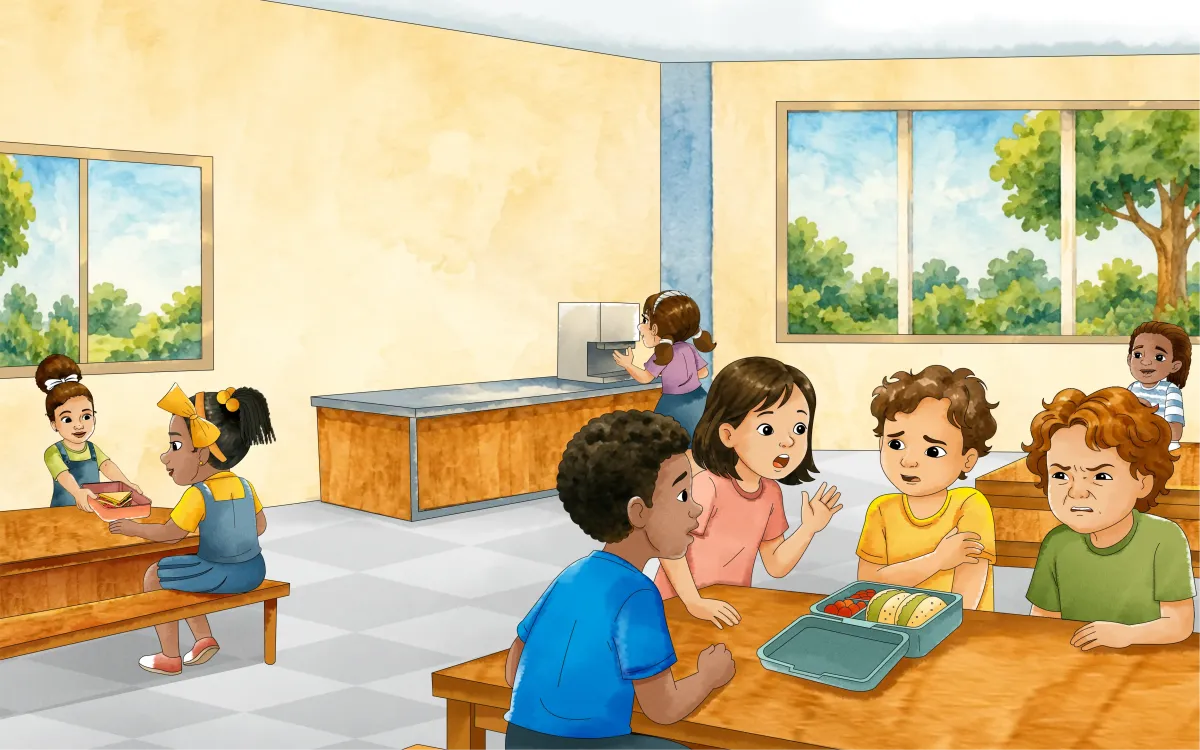
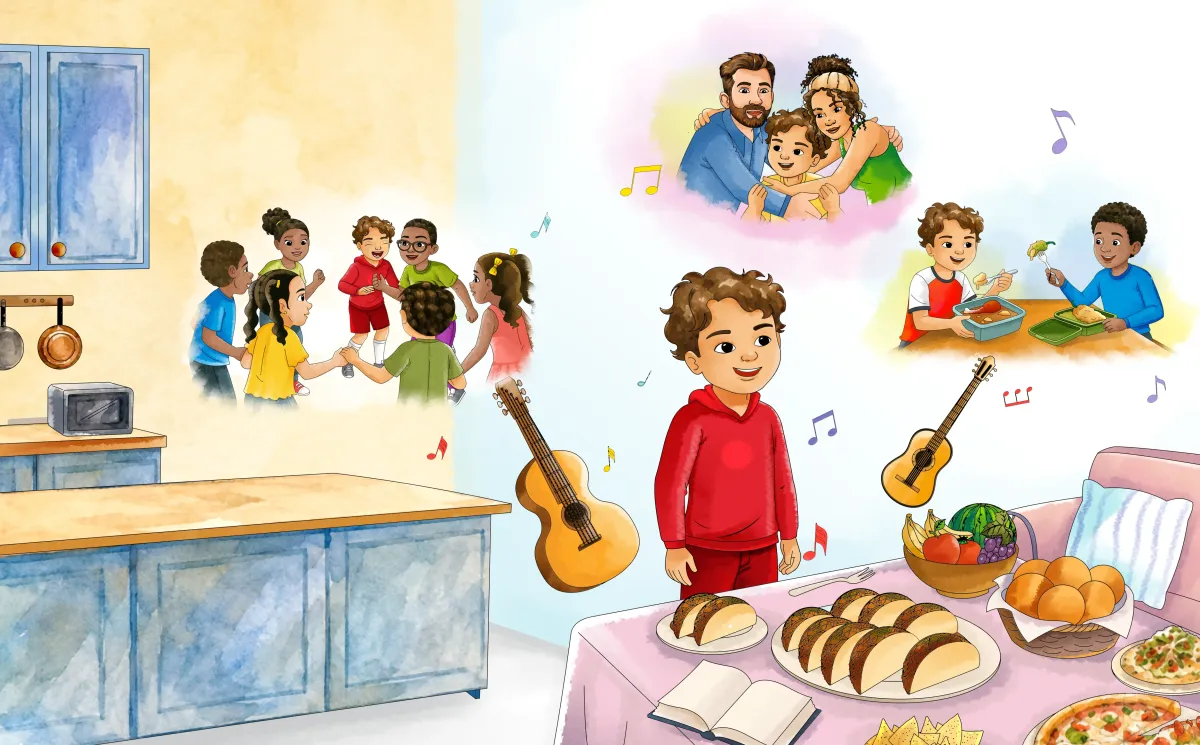
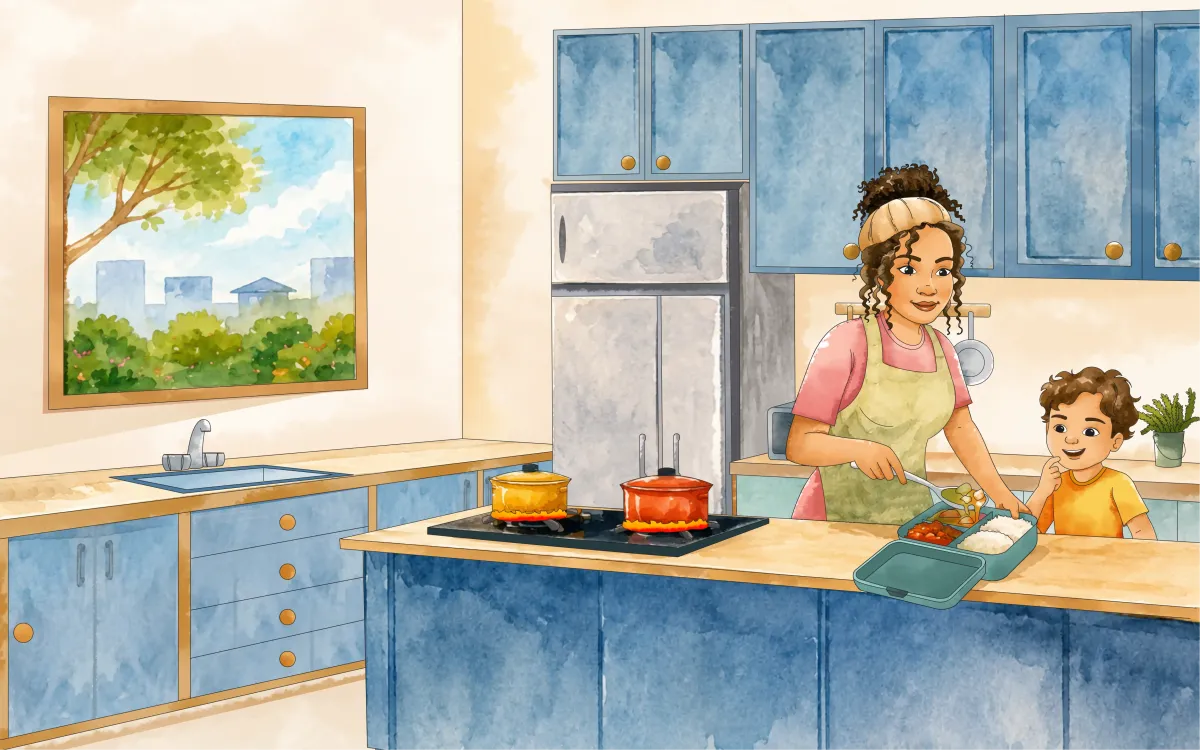
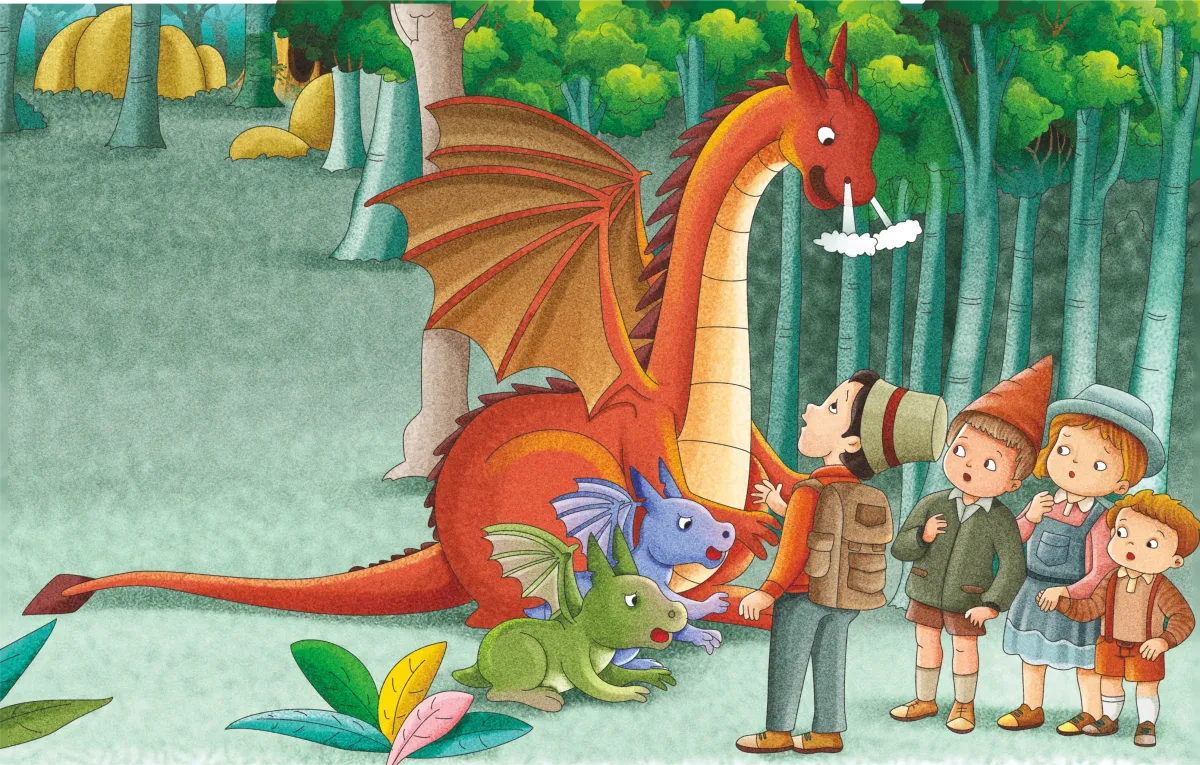
Answer the question closest to your project. Each card points to the style that fits — with a link to real samples so you can judge for yourself.
Very young children process bold simple shapes and high-contrast colour far faster than detail. Keep backgrounds sparse so the main character is unmistakable.
→ 2D Flat / CartoonAggressive colour works against sleep. Muted pastels, diffused edges and no harsh outlines create the calm, safe atmosphere that bedtime books need.
→ Soft Pastel / WhimsicalHumour and action need energy. Thick outlines and saturated colour give characters presence — and keep the cover readable as an Amazon thumbnail.
→ Solid / Bold CartoonDepth and cinematic lighting survive thumbnail compression better than flat art. This is the fastest-growing style among self-published KDP bestsellers.
→ 3D RenderedSoft colour bleeds and organic texture naturally evoke forests, gardens and magical worlds. The classic picture-book look that never dates.
→ WatercolourWhen a child is learning about a real animal, person or process, cartoon exaggeration creates misconceptions. Accuracy is the whole point here.
→ RealisticNeeds pure K100 line art with closed paths, correct bleed and no grey artefacts — technically very different from colour illustration.
→ Coloring Line ArtAny style works for a series — what matters is locking character turnaround sheets before page one. 3D and flat vector hold consistency most easily across many books.
→ Discuss your seriesFour things every author should weigh before committing to a style — from someone who has illustrated over 1000 published books.
The most common mistake is picking the style the author finds beautiful rather than the one the reader can process. A three-year-old's visual system is still developing edge detection and figure-ground separation, which is why board books lean overwhelmingly on flat shapes and strong contrast. By six or seven, children actively enjoy hunting for detail in backgrounds — that's when watercolour, 3D and realistic styles start earning their extra cost. Match the style to the age on your back cover, not to your own bookshelf.
Most children's books are now discovered as a roughly 160-pixel-wide image on a search results page. Delicate linework and low-contrast pastels can dissolve at that size, while bold outlines and 3D lighting hold their shape. This is why many authors commission a higher-contrast cover and a softer interior — same characters, same illustrator, deliberately different treatment. If you're publishing to Amazon KDP, always view your proposed cover at thumbnail size before approving it.
Two 32-page books can differ substantially in price purely on style. Flat vector and line art are quickest because there are no rendering passes. Watercolour and soft pastel need layered brushwork. 3D needs modelling, rigging and lighting for every scene; realistic needs reference research before a single line is drawn. If your budget is fixed, choosing a lighter style is usually a better trade than cutting the number of illustrated spreads — a sparse picture book reads as unfinished.
A sample illustration proves an artist can produce one good picture. It does not prove they can hold the same character, the same palette and the same rendering level across an entire book. Before committing, ask to see a complete published title in the style you want — ideally the same character in several poses and lighting conditions. Every Kidillus style page below links to full multi-page samples for exactly this reason.
Still deciding between two styles? Send us your manuscript and target age — we'll recommend a style and quote both options so you can compare properly. Free, no obligation.
Get a Style Recommendation →The questions authors ask most when comparing illustration styles.
Enter your page count and style — receive an itemised quote and timeline within 24 hours.
→ Free project quoteThumbnail-optimised front, back and spine designs built to survive Amazon's search results page.
→ Book cover designPrint-ready interiors with correct trim, bleed and spine calculation for KDP and IngramSpark.
→ KDP formattingWhat to prepare, red flags to avoid, and how the illustration process works start to finish.
→ Hiring guide